Choosing the Right Dune Buggy in Dubai
Dubai's desert landscape is a natural playground for off-road vehicles, and few machines handle the sand as well as a dune buggy. Whether you are planning a short ride or a full afternoon exploring the dunes, picking the right buggy makes the difference between a smooth, enjoyable trip and one spent wrestling with controls or worrying about comfort. The choices can feel overwhelming at first, engine size, seating, tyre type, and rental terms all vary. This guide walks through the key factors so you can match a buggy to your needs without guesswork.
Start with the Terrain You Plan to Cover
Not all desert terrain is the same. Some areas feature soft, deep sand that shifts under any weight, while others have harder packed gravel or small dunes close together. A buggy that excels on one surface may struggle on another. If your plan involves mostly open desert with rolling dunes, a vehicle with good suspension and wide sand tyres will help you keep momentum. For areas with tighter turns or steeper drops, a shorter wheelbase and responsive steering become more important.
Before you decide on a specific model, think about where you will drive. If you are joining a guided tour, the route often dictates the kind of buggy you need. A tour that sticks to moderate dunes works fine with a standard recreational buggy. If you want to tackle taller dunes or faster runs, look for a machine built for higher speeds and better sand handling. Many visitors find that asking about the typical terrain on a given route helps narrow the field quickly. When you browse options through a provider such as Dune Buggy Rentals Dubai, you can often see which buggies they recommend for different routes. That kind of guidance saves time and prevents mismatches.
Seating and Passenger Needs
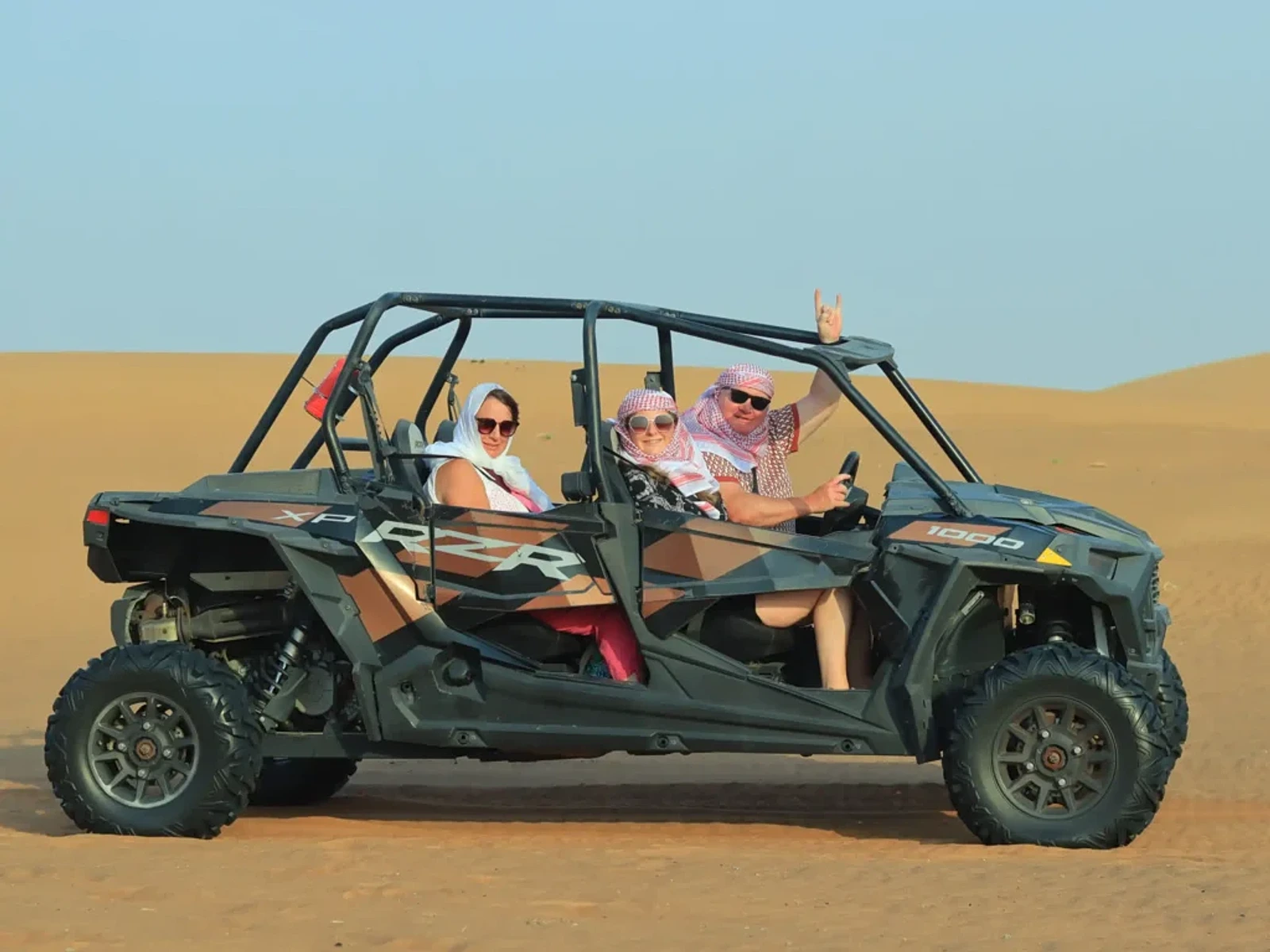
Buggy seating ranges from single-seat models designed for one rider to two-seat and even four-seat versions. The right choice depends on whether you are driving solo or with someone else. A single-seat buggy gives you full control and a more immersive feel, but it leaves no room for a passenger. Two-seat buggies are the most common choice for couples or friends who want to share the experience. Some models place the driver and passenger side by side, while others put the passenger behind the driver. The side-by-side layout offers better visibility for both people and makes conversation easier during the ride.
If you plan to bring a child or a smaller adult, check the seat belt system and whether the buggy has a harness that fits them securely. Age and height restrictions vary by rental company and by country, so it is wise to confirm those details before you arrive. For groups, a combination of two-seat buggies usually works better than trying to find one large vehicle. That way each pair can drive at their own pace and switch drivers if they want.
Engine Power and Your Experience Level
Engine size is often the first spec people look at, but raw power is not always the best choice. A high-horsepower buggy can be thrilling on a straight stretch of sand, but in the hands of a novice driver it can also lead to loss of control on a dune crest or in a sharp turn. Smaller engines, typically in the 500cc to 800cc range, provide enough power for recreational dune bashing and are easier to handle for someone new to off-road driving. Larger engines, above 900cc, suit experienced drivers who are comfortable managing speed and momentum on soft sand.
Another factor is the type of transmission. Most dune buggies use an automatic or semi-automatic gearbox, which reduces the learning curve. Manual transmissions exist on some models, but they require more coordination and can be tiring in the desert heat. If you have never driven a manual off-road, stick with an automatic. The goal is to enjoy the landscape and the motion, not to fight with a clutch.
When you look at rental listings, pay attention to the engine type and the recommended skill level. A reputable provider will mark some buggies as suitable for beginners and others for advanced riders. That classification is more reliable than engine size alone because it accounts for throttle response, steering sensitivity, and overall weight distribution. If you are unsure, ask the rental team which models they suggest for someone with your driving background. A good provider, like Dune Buggy Rentals Dubai, will help you match the machine to your skill set without pushing you toward a buggy that is beyond your comfort zone.
Safety Features and Gear
A dune buggy is only as safe as its restraints and structural design. Look for a vehicle with a sturdy roll cage that extends above the occupants' heads. The frame should be made of welded steel or aluminium, with no sharp edges inside the cabin. Seat belts are a given, but a proper safety harness that goes over both shoulders provides better protection than a simple lap belt, especially on bumpy terrain where the body can bounce sideways.
Check whether the buggy has a kill switch or an engine cut-off that the driver can reach easily. Some models also include a passenger-side cut-off. That feature can be a lifesaver if the driver loses control or is thrown forward. Helmets are often provided by rental companies, but if you have your own, bring it. Goggles are also useful because sand can blow up even on a calm day. A buggy with a full windscreen helps keep dust out of your face, but it is not a substitute for eye protection.
Braking systems vary. Disc brakes are standard on most modern buggies, but some older models still use drum brakes, which can overheat on long downhill runs. If you are renting a buggy for an extended period, ask about the brake type and whether the vehicle has been serviced recently. A quick visual check of the brake lines and tyres can tell you a lot about how well the buggy is maintained.
Rental Duration and Tour Options
How long you plan to drive matters because it affects both the cost and the type of buggy that suits you. A short one-hour session works well for someone who wants a taste of dune bashing without committing to a full day. For that length, a standard recreational buggy is usually enough. If you want to explore deeper into the desert or cover more ground, a longer rental of three to four hours gives you time to reach farther dunes and take breaks. Some companies offer half-day or full-day rentals that include a guide and sometimes a stop for refreshments.
Guided tours are a good option if you are unfamiliar with the desert. The guide knows the safe routes, the best dunes for speed, and how to avoid areas with hidden rocks or steep drop-offs. On a guided tour, you follow a leader who adjusts the pace to the group. That can be reassuring for a first-timer. Self-guided rentals give you more freedom but require you to navigate and stay aware of the terrain. Whichever you choose, confirm the rental duration and whether the price includes fuel, insurance, and any extra fees for damage. Knowing those details upfront prevents surprises at the end of the day.
Check the Condition of the Buggy Before You Drive
Even the best buggy on paper can be a disappointment if it is poorly maintained. Before you head out, walk around the vehicle. Look at the sand tyres for uneven wear or cuts that could cause a puncture. Check that the tyre pressure looks consistent. Test the steering by turning the wheel from side to side; it should move smoothly without grinding sounds. Sit in the driver's seat and press the brake and accelerator pedals to feel their resistance. If anything feels loose or sticky, ask for a different buggy.
Also look at the frame for cracks or rust, especially near weld points. A small crack in the roll cage might not be visible under a layer of dust, but a quick wipe with a cloth can reveal it. The engine compartment should be clean and free of oil leaks. A buggy that leaks oil will leave a trail on the sand and could break down mid-ride. Finally, make sure the seat belts retract and latch properly. A belt that sticks can be annoying and unsafe.
Match the Buggy to the Group
If you are renting for a group, try to keep everyone in similar vehicles. Mixing a fast, high-powered buggy with slower models creates uneven pacing and can cause frustration. It also makes it harder for the group to stay together, especially on guided tours where the leader expects everyone to keep up. If some members of your group are less confident, choose a buggy that everyone can handle comfortably and let the more experienced drivers push the speed on their own time later. A shared experience is more enjoyable when nobody feels rushed or held back.
Pay attention to the weight capacity of the buggy as well. Overloading a buggy affects its handling and puts extra strain on the suspension. Check the manufacturer's rating and make sure the total weight of driver and passengers stays within the limit. If you have a larger group, consider renting two smaller buggies instead of one large one. That way each vehicle performs as intended.
Final Practical Checks
Before you finalise your rental, ask about the pickup and return process. Some companies deliver the buggy to the desert location, while others have a central depot. Confirm the fuel policy: does the buggy come with a full tank, or do you pay for the fuel you use? Also ask about what happens if the buggy breaks down during your rental. A responsible provider will have a recovery plan and a backup vehicle ready. Knowing that in advance gives you peace of mind and lets you focus on the ride.
Choosing the right buggy in Dubai comes down to matching the vehicle to the terrain, your experience, and the kind of adventure you want. By taking the time to check the seating, engine, safety features, and condition, you set yourself up for a day on the sand that is exciting without being stressful. A little preparation goes a long way toward making the desert feel like a playground rather than a challenge.